This site allows the sending of third-party cookies, to send you messages in line with your interests. For more information or to refuse consent, to install all or some cookies, see the cookie policy ( click here ). Continuing browsing, the user will consent to the use of cookies.
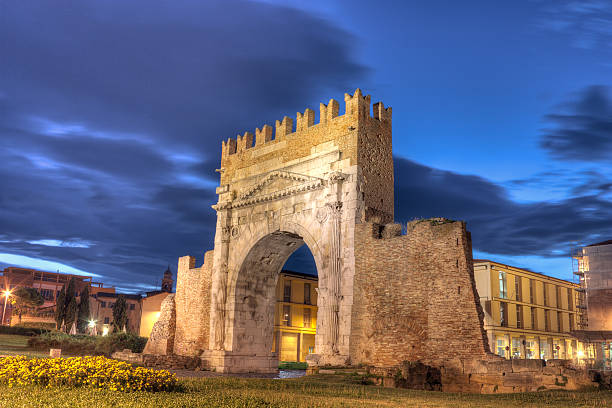
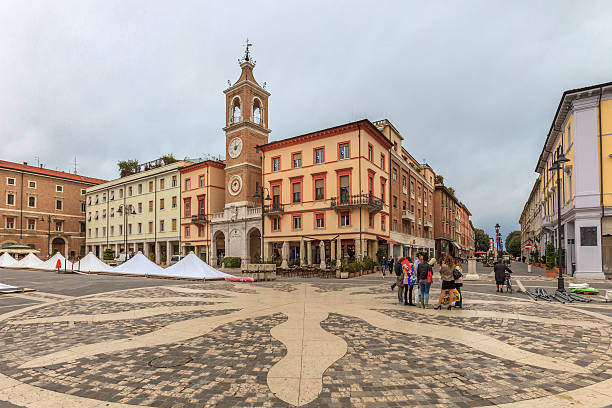
Rimini was founded by the Romans as far back as 268 BC. boasts 2000 years of history that have left important traces as evidence of its greatness: the Arch of Augustus, the Tiberius Bridge, the Malatesta Temple, Castel Sismondo and the works of the prestigious Rimini School of the Fourteenth Century. For over 150 years it has been the capital of seaside holidays for the quality of the facilities, for the beach, for its calm sea and for the many shopping proposals.
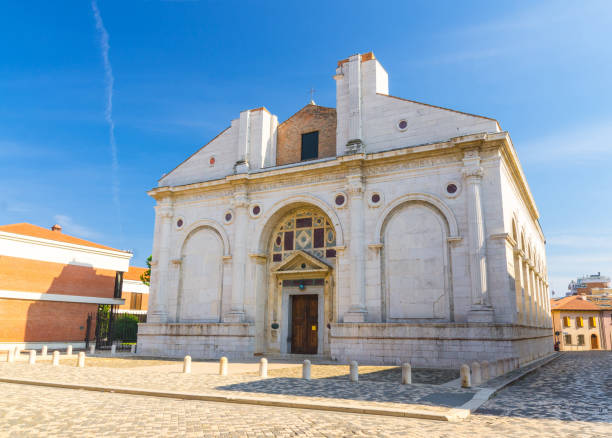
MALATESTA TEMPLE authentic jewel of the Italian Renaissance, wanted by Sigismondo Malatesta around the middle of the 15th century, found in the great architect Leon Battista Alberti the brilliant creator who translated the noblest canons of classicism into those structures. Of note are the bas-reliefs and decorations by Agostino di Duccio and Matteo de'pasti, the Crucifix by Giotto, the fresco by Piero della Francesca.
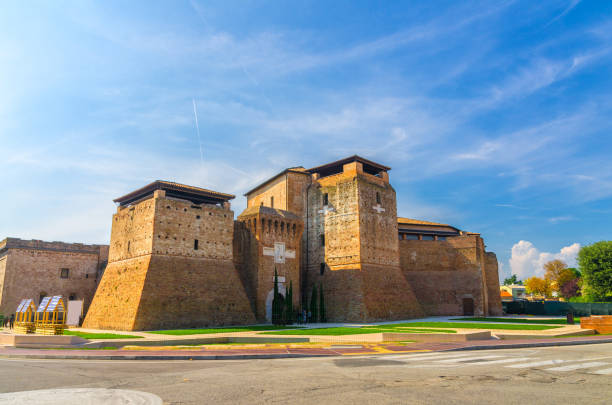
CASTEL SISMONDO OR ROCCA MALATESTIANA Residence-fortress of Sigismondo Pandolfo Malatesta to whom Filippo Brunelleschi also worked. The castle was conceived as both a palace and a fortress, as a worthy seat for the court and for healing and as a sign of power and supremacy over the city.
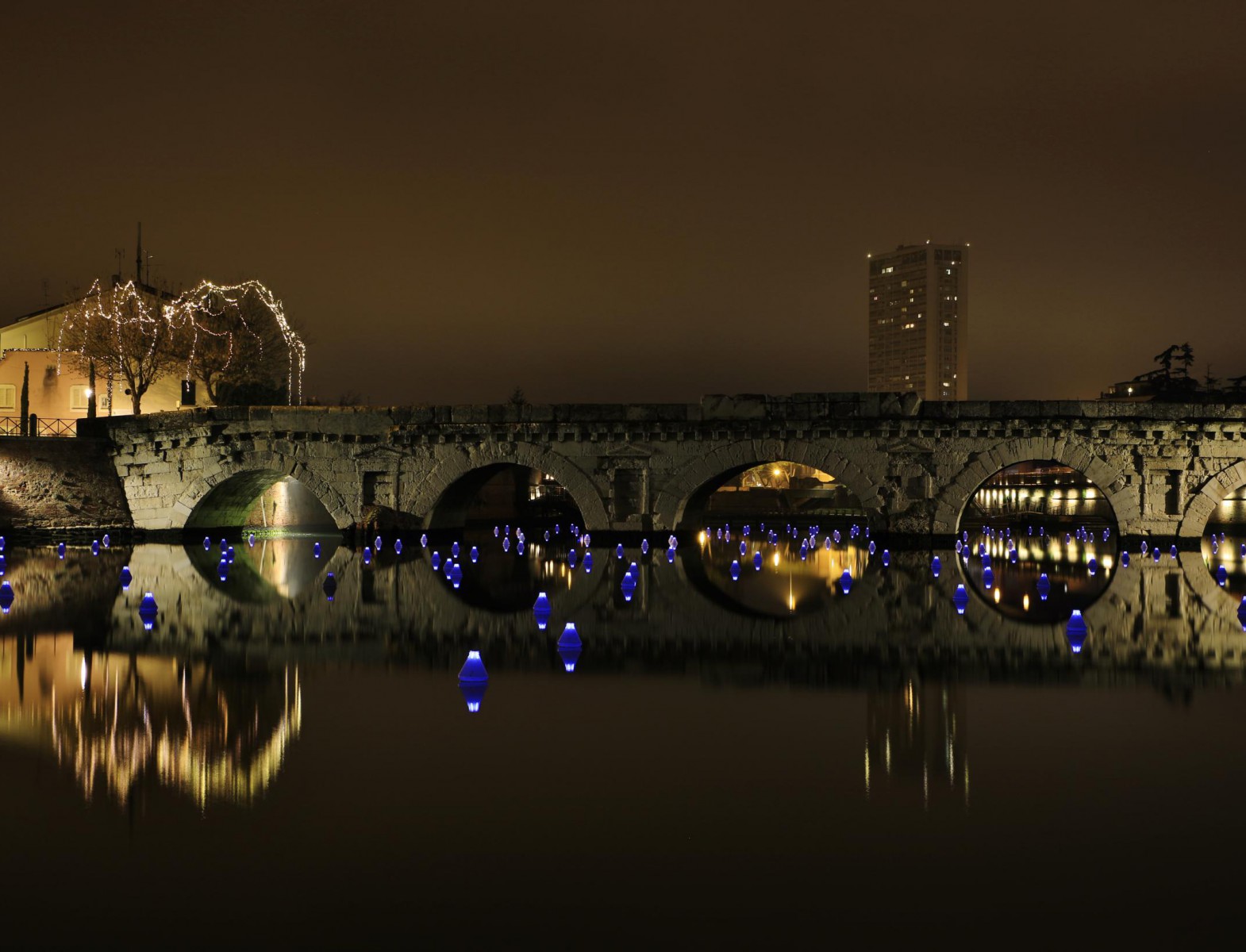
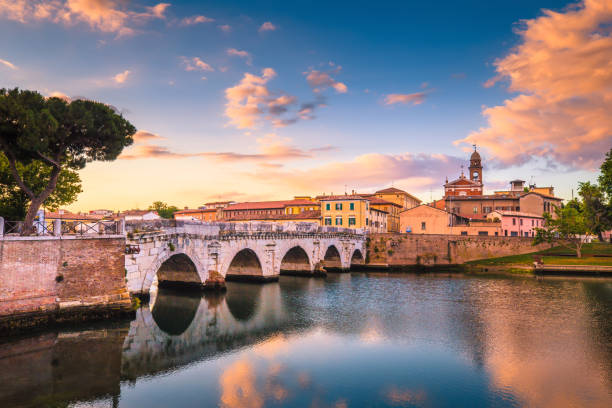
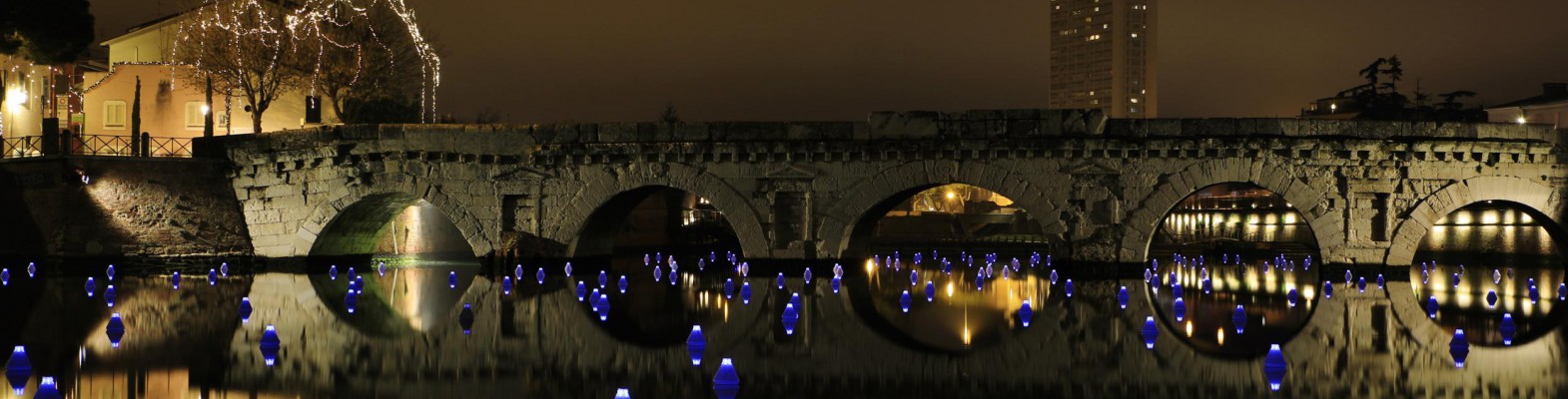
BRIDGE OF TIBERIO Continuing along Corso D'augusto, you reach outside the ancient Roman city, where it is possible to admire a large Istrian stone bridge. Started by Augustus, it was completed by Tiberius (14th-21st century AD). It is one of the most notable surviving Roman bridges and has been a national monument since 1885. In the summer evenings, guided tours by rowing boat among the arches of the Tiberius Bridge are possible, surrounded by stories and legends.
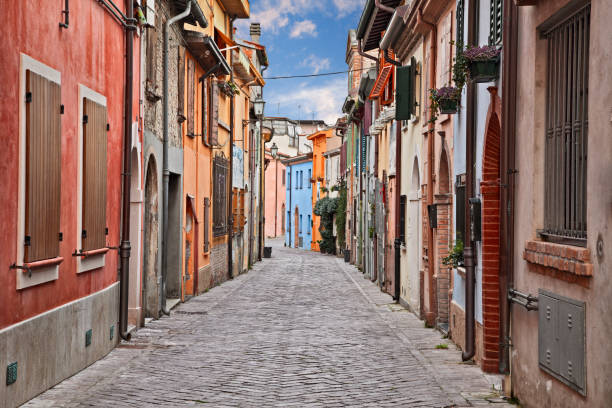
BORGO SAN GIULIANO is the oldest and most important of the villages in the city of Rimini: its history can be traced back as early as the 11th century, when it was a popular neighborhood made up of alleys and low houses, inhabited by seafarers. Today it is a lively and full of activities and characteristic places. It is no coincidence that Federico Fellini was among the greatest admirers of the village. The films of the record are populated by the suggestions of this special place, of the characters and stories that animated it. And the village reciprocates this love every day through the walls of its houses, where decorations and murals portray some of the most beautiful scenes from the films and the life of Fellini.